サイズチャート
インターナショナルサイズチャート


Baby Pants Size Guide: Choosing Comfortable, Safe Clothing for Your Little One
Dressing a baby in well-fitting pants is about more than appearance. Properly sized pants ensure comfort, allow free movement for developmental milestones, and prevent chafing or restriction. This guide covers baby pants sizes from newborn through 24 months.
Baby Pants Size Chart by Age
Newborn (NB): Fits babies up to 21.5 inches long and up to 8 pounds. Waist approximately 16-17 inches.
0-3 months: Fits babies 21.5-24 inches long, 8-12 pounds. Waist approximately 17-18 inches.
3-6 months: Fits babies 24-26.5 inches long, 12-16 pounds. Waist approximately 18-19 inches.
6-9 months: Fits babies 26.5-28.5 inches long, 16-20 pounds. Waist approximately 19-20 inches.
9-12 months: Fits babies 28.5-30.5 inches long, 20-24 pounds. Waist approximately 20-21 inches.
12-18 months: Fits babies 30.5-32.5 inches long, 24-28 pounds. Waist approximately 21-22 inches.
18-24 months: Fits babies 32.5-34.5 inches long, 28-32 pounds. Waist approximately 22-23 inches.
Important Safety and Comfort Considerations
Baby pants should be made from soft, breathable fabrics like organic cotton or bamboo blends. Avoid pants with small buttons, snaps, or decorations that could be choking hazards. Elastic waistbands should be gentle and not leave marks on the baby's skin. For newborns, choose pants with easy-open snaps at the crotch for quick diaper changes.
Tips for Buying Baby Pants
Babies grow incredibly fast in their first year, so buy in small quantities and be prepared to size up frequently. Look for pants with fold-over cuffs that can be extended as the baby grows. Pre-wash all baby clothing before first use to remove any chemical residues. Choose machine-washable fabrics for easy care.
Frequently Asked Questions About Baby Pants Sizes
What size pants does a 6-month-old wear? Most 6-month-olds wear 6-9 month size pants, though larger babies may need 9-12 month sizes.
Should I buy pants with feet or without? Footed pants (footie pants) are great for keeping babies warm but can restrict foot movement. For babies learning to crawl or walk, footless pants are generally better.
Baby Pants Size Chart
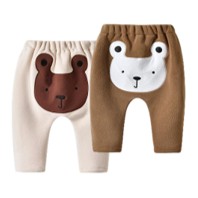
| Size | Age | Height (inches) | Weight (pounds) | Waist (inches) |
|---|---|---|---|---|
| Up to 7 pounds | Up to 7 pounds | Up to 20.5 | Up to 7 | 16.125 |
| 0 to 3 M | 0 to 3 months | 20.5 to 24 | 7 to 14 | 16.125 to 17.375 |
| 3 to 6 M | 3 to 6 months | 24 to 27 | 14 to 18 | 17.375 to 18.5 |
| 6 to 9 M | 6 to 9 months | 27 to 29 | 18 to 22 | 18.5 to 19 |
| 9 to 12 M | 9 to 12 months | 29 to 30.5 | 22 to 26 | 19 to 19.5 |
| 12 to 18 M | 0 to 3 months | 30.5 to 21 | 26 to 28 | 19.5 to 20.25 |
| 18 to 24 M | 18 to 24 months | 32 to 33.5 | 28 to 30 | 20.25 to 20.5 |
| Baby Pants Size Chart Maker : iSizeChart.com | ||||
About Baby Pants Size Guide Chart
What kind of pants are beneficial for baby health?
When choosing pants for babies, prioritizing comfort, safety, and health is essential. Here are some key features to look for in baby pants to support their well-being:
1. Soft, Breathable Fabrics.
Avoid synthetic materials (like polyester) that may trap moisture and cause irritation.
2. Comfortable Fit.
Loose cuts allow free movement for crawling and kicking, avoiding tightness around hips or legs.
3. Easy Diaper Changes.
Avoid complicated zippers or hard buttons that could pinch the skin.
4. Seasonal Adaptability.
Winter: Choose fleece-lined or thermal pants (ensure they’re not too bulky under outerwear).
5. Safety Features.
Flame-resistant fabrics (for sleepwear) if required for safety standards.
6. Non-Toxic Dyes.
7. Footless Designs.
8. Durability.
Avoid: Tight jeans or stiff fabrics that limit movement. Overly baggy pants that could trip the baby.
Pro Tip:
Layering is key! Pair breathable pants with a onesie or lightweight top for easy adjustment to temperature changes.
By prioritizing these factors, you’ll support your baby’s comfort, skin health, and physical development. Always check for irritation signs and adjust clothing choices as needed.