サイズチャート
インターナショナルサイズチャート


Finding the right clothing size can be challenging, especially when shopping online. Clothing sizes vary dramatically between brands, countries, and even between different product lines within the same brand. This comprehensive guide helps you navigate international clothing sizes with confidence and reduces returns from ill-fitting purchases.
Essential Body Measurements for Clothing
Before using any size chart, you need accurate body measurements. Use a flexible measuring tape and wear form-fitting clothing or underwear for the most accurate results. Here are the key measurements:
Chest / Bust Measurement
Measure around the fullest part of your chest, keeping the tape measure horizontal and snug but not tight. For women, measure over the bust line at the nipple level. For men, measure across the chest at the widest point. Keep your arms relaxed at your sides.
Waist Measurement
Measure around your natural waistline, which is the narrowest part of your torso, typically just above the navel and below the rib cage. Do not measure at your pants waistband, which sits lower on the hips. Breathe normally - don't suck in your stomach.
Hip Measurement
Measure around the fullest part of your hips and buttocks, keeping the tape measure parallel to the floor. This is typically 7-9 inches below your natural waist. Important for pants, skirts, and dresses.
Inseam Measurement
Measure from the crotch seam to the bottom of the ankle along the inner leg. The easiest method is to measure a pair of pants that fit well - lay them flat and measure from the crotch to the hem. This is crucial for pants and jeans sizing.
Shoulder Width
Measure from the edge of one shoulder to the other across the back. This is important for jackets, suits, and structured garments. Have someone help you measure for accuracy.
International Clothing Size Systems
US Sizing: Uses numeric sizes (0, 2, 4, 6... for women; 34, 36, 38... for men) and letter sizes (XS, S, M, L, XL, XXL). US sizing is known for "vanity sizing" - brands label clothes with smaller numbers than the actual measurement to appeal to customers.
UK Sizing: Similar structure to US but typically 2-4 sizes different. A US women's size 8 equals a UK size 12. UK men's sizing is similar to US but uses different numbering for suits and formal wear.
EU Sizing: Uses a different numeric scale. EU sizes are generally 30-34 numbers higher than US men's sizes. For women, EU size = US size + 30. EU sizing is more standardized across brands than US or UK.
Asian Sizing: Asian sizes (China, Japan, Korea) typically run 1-2 sizes smaller than Western equivalents. A US Medium may be an Asian XL. Always check the specific measurement chart rather than relying on letter sizes.
Clothing Fit Types Explained
Slim Fit: Cut closer to the body with narrower shoulders and tapered waist. Best for athletic or slim builds. May feel restrictive for larger chests or bellies.
Classic/Regular Fit: Traditional cut with more room in the chest, waist, and hips. Comfortable for most body types. The safest choice when unsure about fit.
Relaxed Fit: Extra room throughout the garment. Best for larger builds or those who prefer loose, comfortable clothing. Can look baggy on slim frames.
Modern Fit: Between slim and classic. Slightly tapered but not restrictive. The most popular fit for contemporary fashion.
Tips for Online Clothing Shopping
Always check the brand's specific size chart rather than relying on generic conversions. Read customer reviews for fit information - reviewers often mention if an item runs large or small. When in doubt between two sizes, choose the larger one for a comfortable fit. Consider the fabric - stretchy materials are more forgiving.
Frequently Asked Questions
Why do sizes vary so much between brands?
There is no universal clothing size standard. Each brand creates its own sizing based on their target demographic, design aesthetic, and manufacturing standards. This is why you might be a Medium in one brand and a Large in another.
How do I convert between letter sizes (S, M, L) and numeric sizes?
Letter sizes are approximate. Generally: XS = 0-2, S = 4-6, M = 8-10, L = 12-14, XL = 16-18 in US women's sizing. However, always verify with the brand's specific chart as these conversions vary significantly.
What should I do if I'm between sizes?
Consider the garment type and fabric. For fitted items, size up for comfort. For stretchy fabrics, you can size down. Check if the brand offers free returns - ordering two sizes and returning one is often the safest approach.
Clothing Size Chart
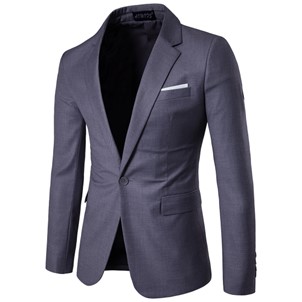
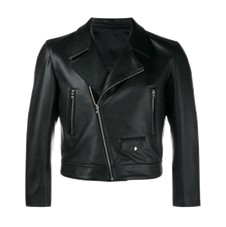
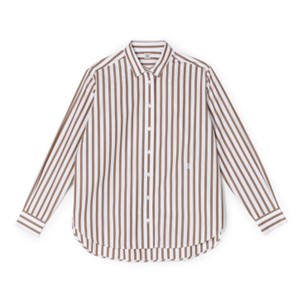
About Clothing Size Guide Chart
How to measure coat size ?
Measuring your coat size accurately is essential for a proper fit. Here's a guide to help you determine your coat size.
What You'll Need: A flexible measuring tape; A helper (for more accurate measurements); A pen and paper to record measurements.
Steps to Measure Coat Size:
1. Chest/Bust Measurement.
Wrap the measuring tape around the fullest part of your chest (under the armpits).
Keep the tape snug but not tight, and ensure it's parallel to the ground.
Record the measurement in inches or centimeters.
2. Waist Measurement (for fitted coats).
Keep the tape comfortably loose (you should be able to fit a finger inside).
3. Hip Measurement (for longer coats).
Keep the tape parallel to the floor.
4. Sleeve Length.
Start at the center back of your neck (base of the collar).
Measure over the shoulder, down the arm to the wrist bone (where the coat sleeve should end).
5. Shoulder Width.
Keep the tape straight across the back.
6. Coat Length (Optional, depends on style).
For a hip-length coat, measure to the top of the hips.
For a long coat (trench/overcoat), measure to mid-thigh or knee.