サイズチャート
インターナショナルサイズチャート


About International Size Conversion Guide
International size conversion is essential for global shopping, travel, and communication. Different countries use different sizing systems, making conversion charts invaluable for anyone who shops across borders.
Why International Size Conversion Matters
With the rise of online shopping across borders, understanding international size systems helps you make confident purchases. A size M in the US may be a size L in Asia. A US shoe size 9 is a UK size 8 and an EU size 42. Without proper conversion, you risk ordering items that don't fit.
Major Size System Regions
North America (US/Canada): Uses imperial measurements (inches). Separate sizing for men, women, and children. Known for vanity sizing in clothing - brands label pants with smaller numbers than actual measurements.
Europe (EU/UK): Uses metric measurements (cm). EU has standardized sizing for many products. UK maintains its own system. EU sizes are generally more consistent across brands.
Asia (China/Japan/Korea): Generally runs 1-2 sizes smaller than Western equivalents. Japan uses cm-based sizing for many products. Korean sizing is similar to Japanese.
Australia/New Zealand: Follows UK sizing for clothing but has unique bed and furniture sizes.
Quick Conversion Reference
Clothing: US women's size = UK size - 4. US men's chest = EU chest - 10. Asian size = US size - 1 or -2.
Shoes: US men's = UK + 0.5 = EU - 33 (approximately). US women's = UK + 2 = EU - 31 (approximately).
Rings: US size = UK size - 0.5 (approximately). EU ring size = circumference in mm - 40.
Tips for International Shopping
Always check the brand's specific size chart rather than relying on generic conversions. Read customer reviews for fit information. When in doubt, order two sizes and return one. Consider the fabric - stretchy materials are more forgiving.
Frequently Asked Questions
Is there a universal size standard?
No universal standard exists for clothing and shoes. ISO has standards for some products (like paper sizes), but fashion sizing remains brand-specific.
How accurate are online size converters?
Generic converters provide approximate guidance. For accurate sizing, always refer to the specific brand's measurement chart and customer reviews.
International Size Chart

International standards for size and model
1. Clothing and Footwear Sizes.
ISO 9407 (Shoe sizes) – Based on the Mondopoint system (foot length in millimeters).
EN 13402 (European clothing sizes) – Uses body measurements (chest, waist, height).
US, UK, EU, JP, GB sizing systems – Different regions use their own standards (e.g., US men’s shoe size vs. EU shoe size).
2. Industrial and Engineering Standards.
ANSI/ASME B36.10 (Pipe sizes) – Standard dimensions for pipes in the US.
DIN (German Institute for Standardization) – Used for industrial components in Europe.
IEC 60027 (Letter symbols for electrical engineering) – Standardizes component models.
3. Consumer Electronics & Devices.
SIM Card Sizes (Mini, Micro, Nano – ETSI TS 102 221) – Defined by telecom standards.
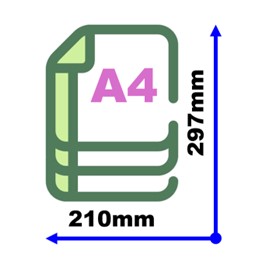
Paper Sizes (ISO 216 – A4, A3, etc.) – Used globally except in North America (where US Letter is common).
4. Automotive Standards.
Vehicle Identification Number (VIN – ISO 3779) – Unique model and manufacturer codes.
OBD-II (SAE J1962, ISO 15031) – Standardized car diagnostic ports.
5. Construction and Architecture.
Brick Sizes (ISO 6707-1) – Varies by region (e.g., UK vs. US bricks).
Door and Window Sizes (EN 12519, ANSI A250.3) – Standardized dimensions.
6. Food and Packaging.
Bottle/Container Threads (ISO 9000, ANSI B16.5) – For caps and closures.
Food Portion Sizes (EU No. 1169/2011, FDA guidelines) – Nutritional labeling standards.
7. Digital & 3D Modeling
OBJ, STL (De facto standards for 3D printing) – Widely used in additive manufacturing.
Unicode (ISO/IEC 10646) – Standardizes text and symbols across digital platforms.
Key Organizations Setting Size & Model Standards:
ISO (International Organization for Standardization) – Global standards.
ANSI (American National Standards Institute) – US standards.
DIN (Germany), BSI (UK), JIS (Japan) – Regional standards.
IEEE, IEC, SAE – Industry-specific standards.