internationale Größentabelle


Women's Shirt Size Guide: Finding Your Ideal Fit Across Brands
Women's shirt sizing can be particularly challenging because of the wide variety of cuts, styles, and brand-specific sizing standards. Whether you are shopping for a tailored blouse, a casual button-down, or a flowy tunic, understanding how women's shirt sizes work will help you find the perfect fit every time.
How to Take Your Measurements for Women's Shirts
Proper measurements are essential for finding the right shirt size. Use a soft measuring tape and wear lightweight clothing for the most accurate results:
Bust circumference: Measure around the fullest part of your bust, keeping the tape parallel to the floor. This is the primary measurement for women's tops and blouses. The tape should be snug but not compressing.
Waist circumference: Measure at your natural waistline, the narrowest part of your torso between your ribcage and hips. For women's shirts with darts or tailoring, this measurement is critical.
Shoulder width: Measure across your back from one shoulder point to the other. This determines the width of the yoke and ensures the shoulder seams sit correctly.
Sleeve length: With your arm slightly bent, measure from your shoulder point down to your wrist. This ensures the sleeves hit at the right length.
High hip: Measure around your body about 3 to 4 inches below your waistband. This is important for longer shirts and tunics that extend past the waist.
Women's Shirt Size Systems Explained
Women's shirts use several sizing systems depending on the region and brand:
US sizes typically range from 0 to 24, with even numbers being standard. A US size 4 corresponds to a 33.5 inch bust, size 6 to 34.5 inches, size 8 to 35.5 inches, size 10 to 36.5 inches, size 12 to 38 inches, size 14 to 40 inches, and size 16 to 42 inches.
Letter sizes (XS through XXL) are common for casual tops and knit shirts. XS generally fits a 30-32 inch bust, S fits 33-34, M fits 35-37, L fits 38-40, XL fits 41-43, and XXL fits 44-46.
European sizes use a different numbering system: EU 34 = US 2, EU 36 = US 4, EU 38 = US 6, EU 40 = US 8, EU 42 = US 10, EU 44 = US 12, EU 46 = US 14.
UK sizes are typically 4 sizes higher than US sizes: UK 6 = US 2, UK 8 = US 4, UK 10 = US 6, UK 12 = US 8, UK 14 = US 10.
Understanding Fit Types in Women's Shirts
Modern women's shirts come in various fit types that affect how a given size wears. Fitted or slim-fit shirts follow the body's contours closely and may require sizing up if you are between sizes. Regular fit offers a comfortable amount of ease through the bust and waist. Relaxed or oversized fit provides extra room for a casual, drapey look. Always consider the intended fit when selecting your size.
Common Mistakes When Buying Women's Shirts
Many women focus only on bust measurement and overlook the waist and shoulder measurements, leading to shirts that pull or gap. Another common mistake is assuming your size is the same across all brands. Brand sizing can vary by a full size or more. Additionally, fabric choice matters greatly: woven fabrics have little stretch and require more precise sizing, while knit fabrics offer more flexibility.
Tips for Online Shirt Shopping
When shopping online, always check the brand's specific size chart rather than relying on your usual size. Read customer reviews for insights about whether a shirt runs large or small. Look for garments with stretch content like elastane or spandex if you are between sizes. Consider the return policy, especially when trying a new brand for the first time.
Frequently Asked Questions About Women's Shirt Sizes
What is the average women's shirt size? The average women's shirt size in the United States is between 16 and 18, which corresponds to a Large or X-Large in letter sizing.
How do I convert between US and European shirt sizes? Add 30 to your US size to get the approximate European size. For example, US size 8 equals EU 38, and US size 12 equals EU 42.
Should I size up for fitted blouses? If you are between sizes or have a larger bust relative to your shoulders, sizing up in fitted blouses is often a good strategy. You can always have the waist taken in by a tailor.
What is the difference between misses and women's sizes? Misses sizes (even numbers 2-16) are designed for women of average height and build. Women's or plus sizes (odd numbers 13-27 or 1X-5X) offer more room through the bust, waist, and hips with proportionally adjusted armholes and necklines.
Women's Shirt Size Chart
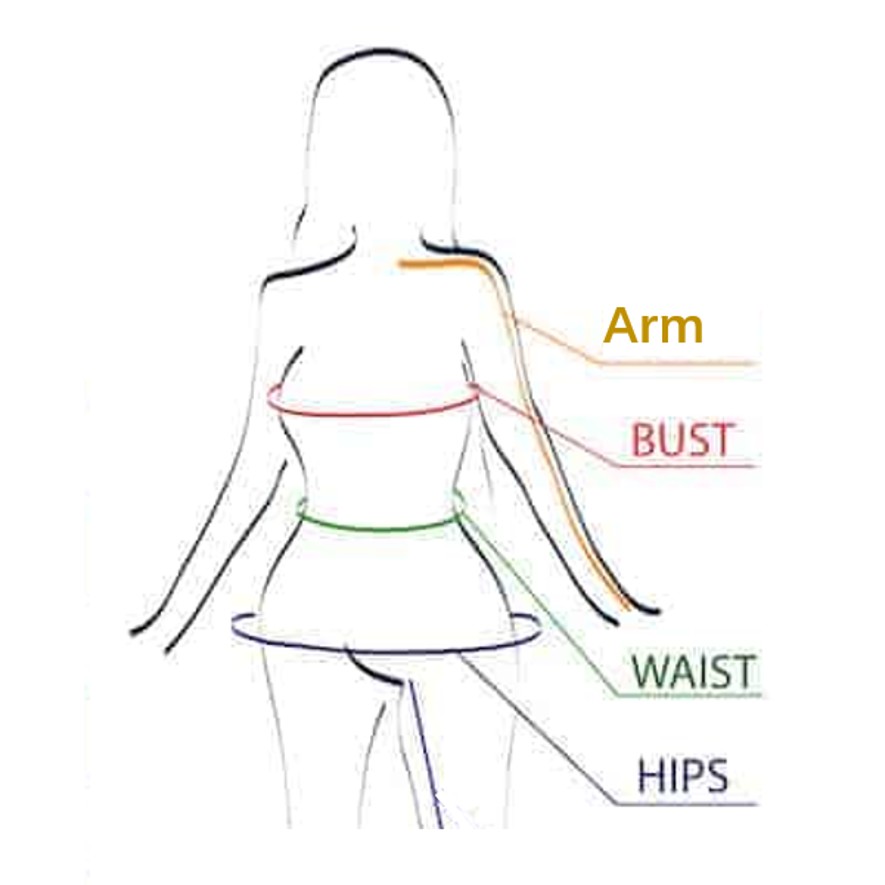
| Size | US Size | Bust (Inches) | Waist (Inches) | Arm (Inches) | ||
|---|---|---|---|---|---|---|
| XXS | 00 | 28 - 29 | 22 - 23 | 29.5 | ||
| XS | 0 | 30 - 31 | 23 - 24 | 30 | ||
| XS | 2 | 31 - 32 | 25 - 26 | 30 | ||
| S | 4 | 32 - 33 | 27 | 30.5 | ||
| S | 6 | 34 - 35 | 27 - 28 | 31 | ||
| M | 8 | 35 - 36 | 29 - 30 | 31.5 | ||
| M | 10 | 37 - 38 | 30 - 31 | 32 | ||
| L | 12 | 38 - 40 | 32 - 33 | 32.5 | ||
| L | 14 | 41 - 42 | 34 - 35 | 33 | ||
| XL | 16 | 42 - 43 | 35 - 36 | 33.5 | ||
| XL | 18 | 44 - 45 | 37 - 38 | 34 | ||
| XXL | 20 | 46 - 48 | 39 - 40 | 34.5 | ||
| Women's Shirt Size Guide Chart Maker : iSizeChart.com | ||||||
| UK | AU Size | US Size | IT Size | RU Size | EU Size |
|---|---|---|---|---|---|
| 30 | 30 | 26 | 62 | 72 - 74 | 58 |
| 28 | 28 | 24 | 60 | 70 | 56 |
| 26 | 26 | 22 | 58 | 66 - 68 | 54 |
| 24 | 24 | 20 | 56 | 64 | 52 |
| 22 | 22 | 18 | 54 | 60 - 62 | 50 |
| 20 | 20 | 16 | 52 | 58 | 48 |
| 18 | 18 | 14 | 50 | 54 | 46 |
| 16 | 16 | 12 | 48 | 50 | 44 |
| 14 | 14 | 10 | 46 | 48 | 42 |
| 12 | 12 | 8 | 44 | 46 | 40 |
| 10 | 10 | 6 | 42 | 42 - 44 | 38 |
| 8 | 8 | 4 | 40 | 40 | 36 |
| 6 | 6 | 2 | 38 | 38 - 40 | 34 |
| 4 | 4 | 0 | 36 | 38 | 32 |
| 2 | 2 | 00 | 34 | 36 - 38 | 30 |
| Women's Shirt Size Chart Maker : iSizeChart.com | |||||
About Women's Shirt Size Guide Chart
How do women choose suitable shirts?
Choosing the right shirt depends on a woman’s body shape, personal style, and the occasion. Here’s a comprehensive guide to help women select the most flattering and stylish shirts:
1. Determine Your Body Shape.
A. Hourglass (Balanced Bust & Hips, Defined Waist).
Best Fits: Fitted shirts that highlight the waist (e.g., peplum, tucked-in blouses, wrap styles).
Avoid: Baggy or boxy shirts that hide curves.
B. Pear (Hips > Bust).
Best Fits: Shirts that draw attention upward. V-necks, boat necks, or embellished tops. Flowy or A-line shirts that balance the hips.
Avoid: Tight shirts with high necklines.
C. Apple (Wider Midsection, Slimmer Legs).
Best Fits: Empire waist, tunics, or draped shirts that skim the belly. Dark colors or vertical stripes to elongate.
Avoid: Crop tops or tight-fitting styles.
D. Rectangle (Straight Waist, Minimal Curves).
Best Fits: Ruffles, peplum, or off-shoulder tops to create curves. Layered or textured fabrics for dimension.
Avoid: Overly boxy cuts that exaggerate straightness.
E. Inverted Triangle (Broad Shoulders, Narrow Hips).
Best Fits: V-necks or scoop necks to soften shoulders. Relaxed-fit shirts (e.g., boyfriend style) to balance proportions.
Avoid: Halter necks or puffy sleeves.
2. Choose the Right Neckline.
Crew Neck: Casual but can widen the face (best for slim/slender frames).
Boat Neck: Highlights collarbones (great for pear shapes).
Square Neck: Retro and feminine (suits hourglass/rectangle shapes).
Off-Shoulder: Romantic and elongates the neck (avoid if broad-shouldered).
3. Fabric & Texture Matters.
Silk/Satin: Luxurious and drapes elegantly (ideal for formal/evening).
Linen: Breezy but wrinkles easily (perfect for summer).
Chiffon: Light and flowy (good for layering).
Denim/Chambray: Structured and casual (great for pairing with skirts or trousers).
4. Sleeve Styles for Different Occasions.
Long Sleeves: Professional or cold weather (roll up for a relaxed vibe).
Puffed Sleeves: Feminine and trendy (best for petites or rectangle shapes).
Bell Sleeves: Boho-chic (avoid if petite—can overwhelm).
Cold-Shoulder/Slit Sleeves: Stylish compromise between short and long sleeves.
5. Patterns & Colors.
Horizontal Stripes: Can widen (best for slim/rectangle shapes).
Floral Prints: Feminine and versatile (small prints suit petites; large prints suit taller frames).
Solids: Timeless and slimming (dark colors minimize; light colors highlight).
Animal Prints/Geometric: Bold choices for statement-making outfits.
6. Occasion-Based Picks.
Tailored button-downs (white, light blue). Silk blouses (neutral or jewel tones). Subtle prints (pinstripes, micro-dots).
B. Casual/Day Out.
Oversized denim shirts (tied at the waist). Graphic tees (knotted or tucked into jeans). Boho smock tops (paired with shorts or skirts).
C. Evening/Party.
Lace or satin camisoles. Off-shoulder or wrap tops. Sequined/metallic shirts (paired with sleek bottoms).
7. Pro Tips for a Flawless Fit.
Bust Fit: Buttons shouldn’t gape; opt for darted shirts if needed.
Length: Tuckable shirts for formal wear; cropped/casual for high-waisted bottoms.
Tailoring: Don’t hesitate to alter sleeves or waist for a perfect fit.