internationale Größentabelle


Finding the right shirt size ensures comfort and a polished appearance. Shirt sizing varies between dress shirts, casual shirts, and different brands. This comprehensive guide covers all shirt types.
Dress Shirt Measurements
Collar/Neck Size: Measure around your neck where the collar sits, with room for one finger between the tape and your neck. This is the primary dress shirt size. Common sizes: 14, 14.5, 15, 15.5, 16, 16.5, 17 inches.
Sleeve Length: Measure from the center back of your neck, over the shoulder, and down to the wrist bone. Dress shirt sleeves should end at the wrist bone, showing 1/4 inch of cuff beyond the jacket sleeve.
Chest: Measure around the fullest part of your chest. The shirt should allow 4-6 inches of ease beyond your actual chest measurement for comfort.
International Shirt Size Systems
US/UK: Dress shirts use collar size + sleeve length (e.g., 15.5/34). Casual shirts use S, M, L, XL sizing based on chest measurements.
EU: Uses chest circumference in cm divided by 2 (e.g., EU 40 = chest 100cm). Some countries use collar size in cm.
Asian: Typically runs 1-2 sizes smaller than Western equivalents. Always check the specific measurement chart.
Shirt Fit Types
Slim Fit: Tapered through the waist and chest. Best for athletic builds. May feel restrictive for larger chests.
Classic Fit: Straight cut with room through the body. Most comfortable for everyday wear.
Relaxed Fit: Extra room throughout. Best for larger builds or those who prefer loose clothing.
Frequently Asked Questions
How should a dress shirt fit?
The collar should allow two fingers between your neck and the collar when buttoned. Sleeves should end at the wrist bone. The shirt should tuck in without excess fabric bunching.
What is the difference between dress shirt and casual shirt sizing?
Dress shirts use precise neck and sleeve measurements. Casual shirts use general S/M/L sizing based on chest measurements. Dress shirts offer more precise fit.
Shirt Size Chart
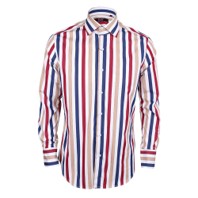
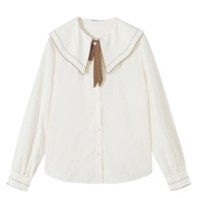
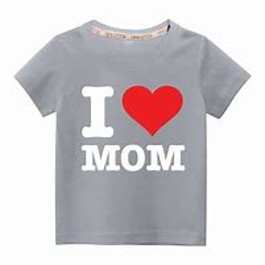
About Shirt Size Guide Chart
How to choose shirt size according to body shape ?
Choosing the right shirt size according to your body shape ensures a comfortable and flattering fit. Here’s a step-by-step guide to help you pick the best shirt size based on your body type:
1. Measure Your Body Accurately.
Neck: Wrap a tape measure around the base of your neck (leave room for one finger to fit snugly).
Chest: Measure around the fullest part of your chest (under the armpits).
Waist: Measure around your natural waistline (narrowest part, usually above the belly button).
Sleeve Length: From the center back of your neck to your shoulder, then down to your wrist.
Torso Length: From the base of your neck to your waistline (for untucked shirts).
2. Match Measurements to Shirt Size Charts.
3. Consider Your Body Shape & Fit Preference.
A. Slim / Ectomorph Body.
Fit: Slim-fit or tailored-fit shirts avoid excess fabric.
Key Areas: Ensure shoulders fit snugly (no sagging), and waist isn’t too loose.
B. Athletic / Mesomorph Body.
Fit: Regular fit or athletic-fit (broader shoulders, tapered waist).
Key Areas: Chest and shoulders should fit comfortably; avoid tight armholes.
C. Stocky / Endomorph Body.
Fit: Classic fit or relaxed fit for comfort around the midsection.
Key Areas: Ensure enough room in the waist; consider "big & tall" sizes if needed.
D. Tall or Short Torso.
Tall: Look for "tall" sizes (longer sleeves & torso).
Short: Opt for "short" sizes or brands offering adjustable lengths.
4. Try Before Buying (If Possible).
Collar: Should allow one finger to fit comfortably when buttoned.
Sleeves: Cuffs should reach the base of your thumb when arms are relaxed.
Length: Tucked shirts should stay in place; untucked shirts should cover the belt.
5. Adjust for Fabric & Style.
Non-Stretch (e.g., Cotton Dress Shirts): May need a more precise fit.
Casual vs. Formal: Casual shirts can be looser; formal shirts should be trimmer.