internationale Größentabelle


Choosing the right bed size is crucial for a good night's sleep. Bed sizes vary between countries, and even within the same country, dimensions can differ slightly between manufacturers. This comprehensive guide covers all standard bed sizes worldwide to help you make the right choice.
Standard US Bed Sizes
Twin (38" x 75" / 97 x 191 cm): Ideal for children, teenagers, and single adults in small spaces. The most affordable option. Twin beds are commonly used in guest rooms, dormitories, and children's bedrooms.
Twin XL (38" x 80" / 97 x 203 cm): Same width as Twin but 5 inches longer. Perfect for taller individuals and the standard size for college dorm rooms. Two Twin XLs can be pushed together to make a King.
Full / Double (54" x 75" / 137 x 191 cm): Suitable for single adults who want more space than a Twin. Can accommodate two people but may feel cramped for couples - each person gets only 27 inches of width.
Queen (60" x 80" / 152 x 203 cm): The most popular bed size in the US, accounting for over 50% of all bed sales. Comfortable for couples and fits well in most bedrooms (minimum room size 10' x 10').
King (76" x 80" / 193 x 203 cm): Offers maximum space for couples. Each person gets the equivalent of a Twin XL bed (38 inches of personal space). Requires a large bedroom (at least 12' x 12').
California King (72" x 84" / 183 x 213 cm): Four inches narrower but four inches longer than a standard King. Ideal for tall individuals over 6'4" who need the extra length. Less common, so bedding options are more limited.
International Bed Size Comparison
UK Sizes: UK Single (90cm x 190cm), UK Double (135cm x 190cm), UK King (150cm x 200cm), UK Super King (180cm x 200cm). Note that UK sizes are generally smaller than US equivalents - a UK King is closer to a US Queen.
EU Sizes: EU Single (90cm x 200cm), EU Double (140cm x 200cm), EU Queen (160cm x 200cm), EU King (180cm x 200cm). EU sizes use metric measurements and are fairly standardized across European countries.
Australian Sizes: AU Single (92cm x 188cm), AU Double (137cm x 188cm), AU Queen (153cm x 203cm), AU King (183cm x 203cm). Australian sizes are unique and not directly compatible with US or EU bedding.
How to Choose the Right Bed Size
Consider your bedroom dimensions first - leave at least 2 feet (60cm) of walking space on each side of the bed and at the foot. Factor in whether you sleep alone or with a partner, pet, or children. Taller individuals (over 6 feet) should prioritize length over width and consider Twin XL, Queen, or California King.
For couples, the minimum recommended size is Queen. King provides optimal comfort with each person getting 38 inches of personal space. If one partner is significantly taller, California King may be the best choice.
Sheet and Mattress Compatibility
Always buy sheets that match your specific bed size and country standard. US sheets won't fit UK beds and vice versa. Deep-pocket sheets are needed for mattresses over 12 inches thick. Memory foam and hybrid mattresses often require deeper pockets than traditional spring mattresses.
Frequently Asked Questions
Can I use US bedding on a UK bed?
Generally no. US and UK bed sizes differ significantly. A US Twin (97cm wide) is wider than a UK Single (90cm wide). A US Queen (152cm) is wider than a UK King (150cm). Always buy bedding that matches your bed's country standard.
What bed size is best for couples?
A Queen size is the minimum recommended for couples, providing 30 inches per person. A King size is ideal, giving each person 38 inches - the same as sleeping in a Twin XL bed.
How do I know if my bedroom is big enough for a King bed?
Your bedroom should be at least 12' x 12' (3.6m x 3.6m) for a King bed. This allows 2 feet of walking space on each side and at the foot of the bed. Measure your room before purchasing.
Bed Size Chart
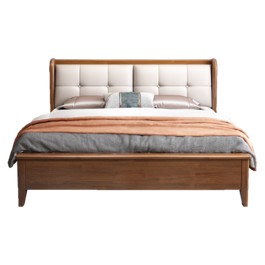
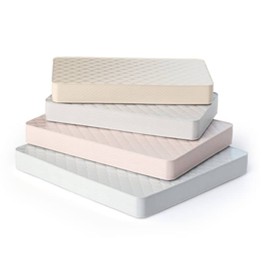
About Bed Size Guide Chart
How to match the size of the mattress and bed?
1. Standard Size Alignment.
2. Mattress Thickness & Bed Frame Design.
Traditional Frames (with box spring): Mattress + box spring height should align with frame rails; Standard box springs are 9" tall; low-profile options are 5–6".
3. Support System Compatibility.
Adjustable Bases: Verify mattress compatibility (e.g., flexible foam, latex, or hybrid – avoid rigid innersprings).
Box Springs: Only use with innate innerspring mattresses (not foam/latex).
4. Special Cases & Pro Tips.
Bunk Beds/Trundles: Use Twin or Twin XL only – thickness ≤10" for safety clearance.
Murphy/Wall Beds: Requires specific mattress thickness (usually ≤12") to fit flush when folded.
RV/Camper Beds: Often "Short Queen" (60"×75") or custom sizes – measure before buying.
5. Safety & Stability Checks.
Center Support: Queen/King frames must have a center support leg/bar.
Weight Limits: Confirm frame supports combined weight of mattress + sleepers (e.g., King foam mattress + two adults = 600–900+ lbs).
Always measure both your mattress and bed frame – even "standard" sizes vary by brand. When in doubt, consult the manufacturer’s guidelines for both products. A perfect match ensures better sleep, prevents injuries, and extends mattress life!