internationale Größentabelle


Finding the right men's shoe size is essential for comfort, performance, and foot health. Men's feet are generally wider and larger than women's, requiring specific sizing considerations. This comprehensive guide covers everything you need to know about men's shoe sizing.
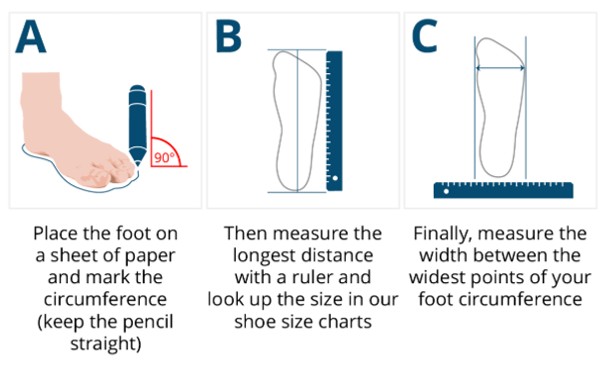
How to Measure Men's Foot Size
Stand on a piece of paper with your heel against a wall. Mark the longest toe and measure from the wall to the mark. Measure both feet and use the larger measurement. Add 0.5-1 cm for comfort allowance. Measure in the afternoon when feet are at their largest.
Men's Shoe Width Sizes
B (Narrow): For feet narrower than average. Rare in men's sizing.
D (Medium/Standard): The default width for most men's shoes. Fits the average male foot.
E (Wide): For feet wider than average. Common in athletic and work shoes.
EE/2E (Extra Wide): For significantly wide feet. Available in specific wide-fit brands.
Men's Shoe Size by Activity
Running Shoes: Often sized half a size larger than dress shoes to allow for foot swelling during exercise. Your feet expand during running, so extra space prevents blisters and black toenails.
Dress Shoes: Should fit snugly with minimal break-in period. Leather will stretch slightly over time. Buy your true size or half size down if between sizes.
Boots: May require different sizing than shoes. Work boots often run large to accommodate thick socks. Hiking boots should be half size up for downhill protection.
Common Men's Shoe Sizing Issues
One foot larger than the other: This is normal - about 60% of people have one foot larger. Always size for the larger foot.
Wide feet: Don't size up in length to accommodate width. Look for shoes available in wide widths (E, EE). Sizing up creates excess length that causes slipping.
High arches: May require additional support. Consider shoes with removable insoles for custom orthotics.
Frequently Asked Questions
What is the average men's shoe size?
The average men's shoe size in the US is 10.5, in the UK is 9, and in the EU is 43. However, average sizes vary by country and are increasing over time due to better nutrition and health.
Do men's shoe sizes change with age?
Yes. Feet can lengthen and widen with age due to ligament stretching and weight changes. Re-measure every few years, especially after age 40.
Men's Shoe Size Chart
| Length (inches) | Length (inches) | Length (CM) | US Size | UK Size | Euro Size | JPN Size |
|---|---|---|---|---|---|---|
| 9 1/4" | 9.25" | 23.5 cm | 6 | 5.5 | 39 | 25 |
| 9 1/2" | 9.5" | 24.1 cm | 6.5 | 6 | 39 / 40 | 25.5 |
| 9 5/8" | 9.625" | 24.4 cm | 7 | 6.5 | 40 | 26 |
| 9 3/4" | 9.75" | 24.8 cm | 7.5 | 7 | 40 / 41 | 26.5 |
| 9 15/16" | 9.9375" | 25.4 cm | 8 | 7.5 | 41 | 27 |
| 10 1/8" | 10.125" | 25.7 cm | 8.5 | 8 | 41 / 42 | 27.5 |
| 10 1/4" | 10.25" | 26 cm | 9 | 8.5 | 42 | 28 |
| 10 7/16" | 10.4375" | 26.7 cm | 9.5 | 9 | 42 / 43 | 28.5 |
| 10 9/16" | 10.5625" | 27 cm | 10 | 9.5 | 43 | 29 |
| 10 3/4" | 10.75" | 27.3 cm | 10.5 | 10 | 43 / 44 | 29.5 |
| 10 15/16" | 10.9375" | 27.9 cm | 11 | 10.5 | 44 | 30 |
| 11 1/8" | 11.125" | 28.3 cm | 11.5 | 11 | 44 / 45 | 31 |
| 11 1/4" | 11.25" | 28.6 cm | 12 | 11.5 | 45 | 32 |
| 11 1/2" | 11.5" | 29.2 cm | 12.5 | 12 | 45 / 46 | |
| 11 9/16" | 11.5625" | 29.5 cm | 13 | 12.5 | 46 | |
| 11 3/4" | 11.875" | 30.2 cm | 13.5 | 13 | 46 / 47 | |
| Men's Shoe Size Chart Maker : iSizeChart.com | ||||||
About Men's Shoe Size Guide Chart
How to pair a pair of men's leather shoes ?
Pairing men’s leather shoes depends on the style of the shoe (dressy, casual, or rugged) and the occasion. Here’s a complete guide to styling them:
1. Dress Leather Shoes (Oxfords, Derbies, Brogues, Monk Straps).
Outfit Pairings:
Business Formal: Suit (Navy, Charcoal, Black) + Dress Shirt + Oxfords/Derbies. Add a silk tie and leather belt (match shoe color).
Smart-Casual:Blazer + Chinos + Brogues/Monk Straps. Button-down shirt (tucked or untucked) + wool trousers. Optional: Cashmere sweater or knit tie for a polished look.
Semi-Formal: Dark Jeans (slim/straight fit) + Dress Leather Shoes. Pair with a structured blazer or turtleneck.
2. Casual Leather Shoes (Loafers, Chelsea Boots, Chukkas, Moccasins).
Outfit Pairings:
Business-Casual: Chinos/Corduroys + Loafers (penny or tassel). Oxford shirt or polo shirt (tucked in).
Weekend Casual: Dark Jeans or Khakis + Chelsea Boots/Chukkas. Rolled cuffs to show off ankle boots. Casual shirt (linen, denim) or sweater.
Summer Style: Linen Pants/Shorts (smart) + Driving Moccasins (no socks). Polo shirt or short-sleeve button-down.
3. Rugged Leather Shoes (Work Boots, Combat Boots, Leather Sneakers).
Outfit Pairings:
Streetwear/Athleisure: Black/White Leather Sneakers + Joggers/Cargo Pants + Overshirt/Hoodie.
Rugged Casual: Jeans (Distressed/Tapered) + Combat Boots + Leather Jacket. Flannel shirt or graphic tee.
Workwear-Inspired: Dark Denim + Work Boots (Red Wing, Timberland) + Heavy Knit Sweater.