internationale Größentabelle


Kids' Pants Size Guide: Finding the Right Fit for Every Age
Children outgrow their clothes faster than any other wardrobe item, making pants sizing both a practical and financial concern for parents. This guide covers kids' pants sizes from toddler through teenager, with practical tips for accommodating rapid growth.
Kids' Pants Size Categories
Toddler (2T-5T): Sized by age. 2T fits children about 33-35 inches tall with a 20-inch waist. 3T fits 35-38 inches tall with a 21-inch waist. 4T fits 38-41 inches with a 22-inch waist. 5T fits 41-44 inches with a 22-inch waist.
Little kids (4-7): Size 4 fits about 39-41 inches tall with a 22-inch waist. Size 6 fits 43-46 inches with a 23-inch waist. Size 7 fits 46-50 inches with a 24-inch waist.
Big kids (8-20): Size 8 fits 50-53 inches with a 25-inch waist. Size 10 fits 53-56 inches with a 26-inch waist. Size 12 fits 57-60 inches with a 27-inch waist. Size 14 fits 61-64 inches with a 29-inch waist. Size 16 fits 65-68 inches with a 31-inch waist.
How to Measure Your Child for Pants
Have your child stand straight in lightweight clothing. Measure the waist at the natural waistline (or where the pants will sit), the hip at the fullest part, and the inseam from the crotch to the ankle bone. Compare these measurements to the brand's size chart. When between sizes, choose the larger size for comfort and longevity.
Adjustable Features for Growing Kids
Many kids' pants come with adjustable waistbands that allow for size changes without a full replacement. Look for elastic waistbands with internal buttons, adjustable drawstrings, and stretch fabrics. These features can extend the wearable life of a pair of pants by several months.
Frequently Asked Questions About Kids' Pants Sizes
What size pants does a 7-year-old wear? Most 7-year-olds wear size 7 or size 8, depending on their height and build. Check the brand's size chart using your child's actual measurements.
How much room should I leave for growth? A half size to one full size up is usually sufficient. More than that and the pants will look and feel awkward.
Kids Pants Size Chart
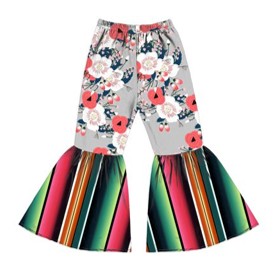
| Size | Age (years) | Height (inches) | Weight (pounds) | Hips (inches) | Waist (inches) | Inseam (inches) |
|---|---|---|---|---|---|---|
| 2 T | 2 | 33.5 to 35 | 30 to 32 | 20.5 to 21 | 20.5 to 21 | 14 to 14.75 |
| 3 T | 3 | 35 to 38 | 32 to 35 | 21 to 22 | 21 to 21.5 | 14.75 to 15.5 |
| 4 T | 4 | 38 to 41 | 35 to 39 | 22 to 23 | 21.5 to 22 | 15.5 to 17 |
| 5 T | 5 | 41 to 44 | 39 to 45 | 23 to 24 | 22 to 22.5 | 17 to 18.75 |
| Kids Pants Size Guide Chart Maker : iSizeChart.com | ||||||
| US Size | UK size (years) | AU Size (inches) | EU Size (pounds) |
|---|---|---|---|
| 2 | 2 to 3 | 3 | 92 to 98 cm |
| 3 | 3 to 4 | 4 | 98 to 104 cm |
| 4 | 4 to 5 | 5 | 104 to 110 cm |
| 5 | 5 to 6 | 6 | 110 to 116 cm |
| Kids Pants Size Chart Maker : iSizeChart.com | |||
About Kids Pants Size Guide Chart
How to choose the fabric for kids pants?
Choosing the right fabric for kids' pants is crucial for comfort, durability, and health. Here’s a detailed guide to help you pick the best materials:
1. Prioritize Natural, Breathable Fabrics.
Cotton (100% or blends). Pros: Soft, breathable, hypoallergenic, and gentle on sensitive skin. Ideal for everyday wear. Look for: Organic cotton (free from pesticides) or combed cotton (softer finish). Best for: All seasons, especially hot weather.
Linen. Pros: Highly breathable, moisture-wicking, and antibacterial. Cons: Wrinkles easily and can feel rough (opt for linen-cotton blends for kids). Best for: Summer pants.
Bamboo. Pros: Silky-soft, naturally antimicrobial, and thermoregulating (keeps kids cool or warm). Cons: Often blended with cotton or spandex for durability. Best for: Sensitive skin or eczema-prone babies.
2. Synthetic Blends (Use Sparingly).
Polyester or Nylon Blends (10–30% max). Pros: Adds stretch and durability (e.g., for leggings or joggers). Cons: Traps heat/sweat; avoid 100% synthetic fabrics. Tip: Look for moisture-wicking finishes if used for sportswear.
Spandex/Elastane (5–10%). Pros: Adds flexibility for crawling/playing. Common in "stretchy" pants.
3. Avoid These Fabrics.
Rough or Stiff Fabrics: Denim (unless stretchy and lined), burlap, or heavy wool (can itch).
Chemically Treated Fabrics: Avoid fabrics labeled "wrinkle-resistant" or "stain-repellent" (may contain PFAS).
4. Seasonal Considerations.
Winter: Fleece-lined cotton, soft wool blends (merino wool is less itchy), or thermal knits.
Rainy/Cold Weather: Water-resistant outer layers (e.g., nylon with a breathable membrane).
5. Key Features to Check.
Weave: Knit fabrics (like jersey) are softer and stretchier than woven fabrics (like twill).
Certifications: Look for OEKO-TEX® (no harmful chemicals) or GOTS (organic standards).
6. Special Cases.
For Active Kids: Moisture-wicking blends (e.g., cotton-modal-spandex) for playgrounds or sports.
Pro Tips:
Wash Before Use: Removes residual chemicals or stiffness from new clothes.
Feel the Fabric: Rub it against your cheek to test softness. If it feels scratchy, it’ll irritate a child’s skin.
Check Seams: Flatlock stitching prevents chafing.