尺寸图表
国际尺寸图表


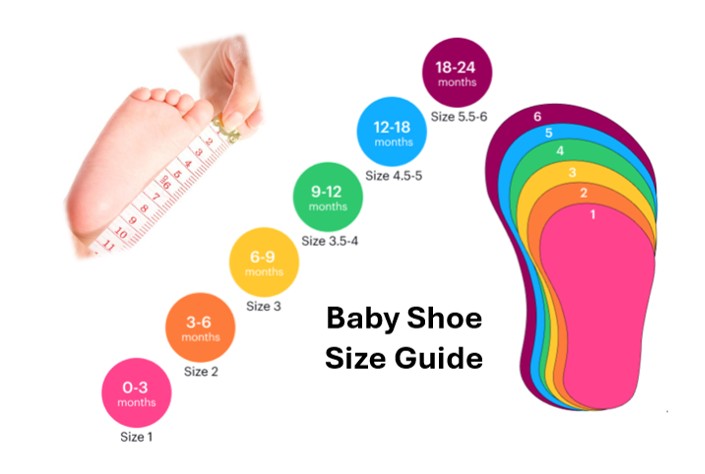
Baby feet grow incredibly fast, making proper sizing crucial for healthy foot development. This guide covers baby shoe sizes from newborn to toddler.
Baby Shoe Size Chart
Newborn (0-3 months): US size 0-2, foot length 3.5-4 inches (9-10 cm). Most newborns don't need shoes.
3-6 months: US size 2-4, foot length 4-4.5 inches (10-11.5 cm). Soft-soled shoes are best.
6-12 months: US size 4-6, foot length 4.5-5 inches (11.5-12.5 cm). Pre-walking shoes with flexible soles.
12-18 months: US size 6-8, foot length 5-5.5 inches (12.5-14 cm). First walking shoes with support.
18-24 months: US size 8-10, foot length 5.5-6 inches (14-15 cm). Toddler shoes with good grip.
When Do Babies Need Shoes?
Babies don't need shoes until they start walking outdoors. Barefoot walking indoors promotes healthy foot development. When shoes are needed, choose flexible, lightweight options that don't restrict natural foot movement.
Best Shoe Types for Babies
Pre-walkers: Soft, flexible shoes that protect feet without restricting movement. Best for indoor use.
First walkers: Slightly more structured with flexible soles and good grip. Best for early outdoor walking.
Toddler shoes: More durable with support for active walking and running.
Frequently Asked Questions
Can babies wear hand-me-down shoes?
It's best to avoid hand-me-down shoes for babies. Shoes mold to the previous wearer's foot shape, which can affect your baby's foot development.
How quickly do baby feet grow?
Baby feet grow approximately half a size every 2-3 months in the first year. Check shoe fit monthly during this rapid growth period.
Baby Shoe Size Chart
| Length (inches) | Length (inches) | Length (CM) | US Size | UK Size | Euro Size | JPN Size |
|---|---|---|---|---|---|---|
| 3 1/8" | 3.125" | 7.9 cm | 0 | 0 | 15 | |
| 3 1/4" | 3.25" | 8.3 cm | 0.5 | 0 | 16 | |
| 3 1/2" | 3.5" | 8.9 cm | 1 | 0.5 | 16 | |
| 3 5/8" | 3.625" | 9.2 cm | 1.5 | 1 | 17 | |
| 3 3/4" | 3.75" | 9.5 cm | 2 | 1 | 17 | |
| 4" | 4" | 10.2 cm | 2.5 | 1.5 | 18 | |
| 4 1/8" | 4.125" | 10.5 cm | 3 | 2 | 18 | 12 |
| 4 1/4" | 4.25" | 10.8 cm | 3.5 | 2.5 | 19 | 12 / 12.5 |
| 4 1/2" | 4.5" | 11.4 cm | 4 | 3 | 19 | 12.5 |
| 4 5/8" | 4.625" | 11.7 cm | 4.5 | 3.5 | 20 | 12.5 / 13 |
| 4 3/4" | 4.75" | 12.1 cm | 5 | 4 | 20 | 13 |
| Baby Shoe Size Chart Maker : iSizeChart.com | ||||||
Newborns (0-6 months): Soft booties or socks with non-slip grips are best—they keep feet warm without restricting movement.
Crawlers (6-12 months): Flexible, lightweight shoes with soft soles help with balance and exploration.
Early Walkers (12-18 months+): Choose shoes with flexible, non-slip soles and good ankle support.
Measure Feet Regularly: Babies’ feet grow fast—measure every 6-8 weeks.
Leave Room for Growth: About ½ inch (1.25 cm) of space between the longest toe and shoe tip.
Check Width: Avoid tight shoes; toes should wiggle freely.
Breathable Fabrics: Leather, canvas, or mesh help prevent sweaty feet.
Soft & Flexible: The shoe should bend easily at the toe.
Non-Slip Soles: Prevents slips (rubber or textured soles work best).
Adjustable Closures: Velcro or elastic straps make putting on/taking off easier.
Lightweight Design: Heavy shoes can make walking harder.
Ankle Support: Helps with stability for new walkers.
No Hand-Me-Downs: Worn shoes may not support properly.
Avoid Hard Soles: They restrict natural foot movement.
Skip Fashion-Only Shoes: Prioritize function over style.
If toes are cramped or curled.
If the heel slips out easily.
If the sole is worn out.
关于婴儿鞋码指南图表
婴儿鞋码标准概述
婴儿鞋码是表示婴儿鞋大小的编号系统。婴儿脚部发育非常快,鞋码变化频繁:
新生儿(0-6个月):中国码80-100,EUR 15-17,US 0-1。新生儿通常不需要穿鞋,袜子即可。
婴儿(6-12个月):中国码105-115,EUR 17-19,US 1-2。开始爬行和扶站,需要保护脚部。
幼儿(12-18个月):中国码120-125,EUR 19-21,US 2-3。开始学步,需要学步鞋。
幼儿(18-24个月):中国码130-135,EUR 21-22,US 3-4。走路更稳,需要支撑好的鞋子。
婴儿常见鞋码对照
以下是婴儿常见鞋码的国际转换对照:
中国80 = EUR 15 = US 0 = 适合0-3个月
中国90 = EUR 16 = US 0.5 = 适合3-6个月
中国100 = EUR 17 = US 1 = 适合6-9个月
中国110 = EUR 18 = US 1.5 = 适合9-12个月
中国115 = EUR 19 = US 2 = 适合12-15个月
中国120 = EUR 20 = US 2.5 = 适合15-18个月
中国125 = EUR 21 = US 3 = 适合18-21个月
中国130 = EUR 22 = US 4 = 适合21-24个月
如何测量婴儿脚长
测量婴儿脚长需要耐心和技巧:
1. 让婴儿平躺或坐着
2. 将脚放在一张纸上
3. 用笔标记脚跟和最长的脚趾位置
4. 测量两点之间的距离,即为脚长
5. 两只脚都要测量,以较大的数值为准
6. 婴儿脚生长快,建议每1-2个月重新测量一次
婴儿鞋选择注意事项
0-6个月:通常不需要穿鞋,袜子即可保暖。如果需要外出,可以选择软底鞋。
6-12个月:开始爬行和扶站,需要保护脚部。选择软底、透气的鞋子。
12-18个月:开始学步,需要学步鞋。选择鞋底柔软、有良好抓地力的鞋子。
18-24个月:走路更稳,需要支撑好的鞋子。选择有足弓支撑、后跟稳定的鞋子。
常见问题解答
婴儿什么时候开始穿鞋?
室内不需要穿鞋,光脚有助于脚部发育和平衡感发展。外出时或地面较冷、较脏时需要穿鞋保护脚部。学步期(12个月左右)开始需要穿学步鞋。
婴儿鞋需要买大吗?
可以预留约0.5-1厘米的生长空间,但不要过大。过大的鞋子会影响学步,增加摔倒风险。婴儿脚生长快,建议每1-2个月检查鞋子是否合脚。
学步鞋应该选什么样的?
学步鞋应该:鞋底柔软可以弯曲,鞋面透气,后跟有一定支撑,鞋头宽大不挤脚,重量轻便。避免硬底鞋和高帮鞋,会影响脚部自然发育。