尺寸图表
国际尺寸图表


A shoe size chart is an essential reference tool for finding the right footwear fit. Since shoe sizing varies significantly between countries and brands, understanding how to measure your feet and interpret size charts can save you from uncomfortable purchases and costly returns.
How to Measure Your Foot Length Correctly
Accurate foot measurement is the foundation of finding your perfect shoe size. Follow these professional steps for the most reliable results:
1. Measure Your Feet in the Afternoon
Your feet naturally swell throughout the day due to gravity and activity. Measuring in the afternoon or evening ensures you get the most accurate measurement at your feet's largest size. This prevents buying shoes that feel tight later in the day.
2. Stand When Measuring
Standing puts your full body weight on your feet, causing them to spread to their natural size. Sitting or lying down gives an artificially smaller measurement that can lead to buying shoes that are too small.
3. Wear the Right Socks
Wear the type of socks you plan to wear with the shoes. Athletic socks are thicker than dress socks, which affects the fit. If you're measuring for barefoot shoes like sandals, measure without socks.
4. Measure Both Feet
Most people have one foot slightly larger than the other - this is completely normal. Always measure both feet and use the larger measurement for your shoe size. Ignoring the larger foot leads to discomfort and blisters.
5. Use the Paper Tracing Method
Place a sheet of paper on a hard floor against a wall. Stand on it with your heel touching the wall. Trace around your foot with a pen held perpendicular to the ground. Measure the longest distance from heel to toe in both inches and centimeters.
Understanding International Shoe Size Systems
Different regions use different sizing systems, making international shopping confusing without a proper conversion chart:
US Sizes: The United States uses separate scales for men, women, and children. Women's US sizes are typically 1.5 sizes larger than men's for the same foot length. For example, a men's US 8 equals a women's US 9.5.
UK Sizes: The UK system is generally one size smaller than US sizes for the same foot length. UK sizing is unisex for adults, making it simpler than the US system. A US men's 8 equals a UK 7.
EU Sizes: The European system uses a single unisex scale based on foot length in centimeters. EU sizes are approximately 33 plus 1.5 times the foot length in cm. This is the most widely used system globally.
JPN/CN Sizes: Japan and China use foot length in centimeters or millimeters directly as the size number, making it the most intuitive system. A foot measuring 25 cm is simply size 25.
Common Shoe Sizing Mistakes to Avoid
Mistake 1: Assuming your size is the same across all brands. Different brands use different lasts (foot molds), resulting in size variations of up to a full size. Nike runs small, Adidas runs true to size, and New Balance offers multiple widths.
Mistake 2: Ignoring foot width. Two people with the same foot length may need different sizes if one has wider feet. Look for width indicators: D = medium, E = wide, EE = extra wide in men's; B = medium, D = wide in women's.
Mistake 3: Buying shoes that are too small hoping they will stretch. While leather shoes may stretch slightly (about half a size), synthetic materials and rubber soles rarely stretch. Buy the right size from the start.
Mistake 4: Not considering the shoe type. Running shoes should be half a size larger than dress shoes to allow for foot swelling during exercise. Boots may require different sizing to accommodate thick socks.
Shoe Width Guide
Understanding width sizing is crucial for comfort:
Men's Widths: B (Narrow), D (Medium/Standard), E (Wide), EE/2E (Extra Wide), EEE/3E (Triple Wide).
Women's Widths: AA (Narrow), B (Medium/Standard), D (Wide), EE (Extra Wide).
If your feet are wider than standard, don't size up in length - look for shoes available in wide widths. Sizing up creates excess length that causes slipping and blisters.
Frequently Asked Questions
What if my foot measurement falls between two sizes?
Always round up to the larger size. You can add an insole or wear thicker socks to fill extra space, but you cannot stretch a shoe that is too small. A slightly large shoe with an insole is more comfortable than a tight shoe.
How often should I re-measure my feet?
Adults should re-measure every 2-3 years. Feet can change size due to age, weight changes, pregnancy, and medical conditions like diabetes. Many people find their feet have grown half a size or more by age 40.
Do children's shoe sizes convert directly to adult sizes?
Youth sizes overlap with adult sizes. A youth size 7 is approximately the same as a women's size 8.5 or a men's size 7. Use our detailed conversion charts for exact measurements across all age groups.
Why do my feet hurt in new shoes?
New shoes need a break-in period of 1-2 weeks. However, they should not cause pain. If shoes are painful when new, they are likely the wrong size or width. Leather shoes stretch slightly; synthetic shoes do not.
Shoe Size Chart
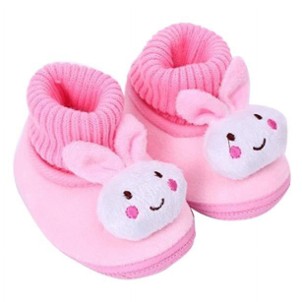
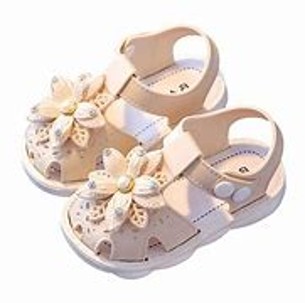
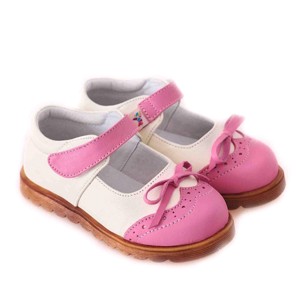
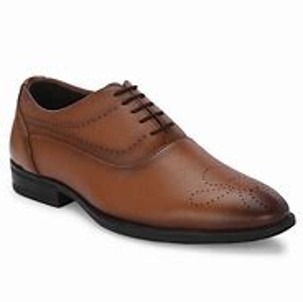
Your feet swell during the day, it’s best to measure your feet at their fullest.
When in a wheelchair there’s no pressure on the feet, so it’s unnecessary to stand up.
Most of the time, you wear socks. Make sure you wear socks when you measure your feet. If you plan to buy clogs or sandals, you can leave the socks behind.
Measure your left and right foot separately as they’re not the same length. Take the biggest measurement to determine your running shoes size.
Keeping your body weight over your foot, trace a thin line around the outside of your entire foot.
When drawing the line, hold the pen perpendicular to the ground.
Measure vertically down the length of your foot tracing. This is your foot length.
Measure horizontally across the widest part of your foot tracing. This is your foot width.
Start from the measurement in inches or centimeters and define your size in the charts for men, women or kids.
关于鞋码指南图表
鞋码标准概述
鞋码是表示鞋子大小的一种编号系统。全球主要有以下几种鞋码标准:
中国鞋码:以毫米为单位表示脚长,如250表示适合脚长250毫米的人穿着。这是最科学的表示方法,直接对应实际脚长。
欧洲鞋码(EUR):以巴黎点为单位,1点等于2/3厘米。计算公式:鞋码 = 1.5 × (脚长cm + 2)。例如脚长25cm对应EUR 40码。
美国鞋码(US):男女鞋码系统不同。男鞋US 8约等于EUR 41,女鞋US 8约等于EUR 39。
英国鞋码(UK):比美国鞋码小约0.5-1码。UK 7约等于US 8。
如何准确测量脚长
准确测量脚长是选择合适鞋码的关键:
1. 准备一张白纸、一支笔和一把尺子
2. 赤脚站在纸上,脚跟贴墙
3. 用笔标记最长脚趾的位置(通常是大脚趾或第二脚趾)
4. 测量脚跟到标记点的距离,即为脚长
5. 两只脚都要测量,以较大的数值为准
6. 建议在下午或晚上测量,此时脚略微膨胀,更接近穿着状态
鞋码选择注意事项
脚宽因素:如果脚较宽,建议选择大半码或一码。许多品牌提供宽版(Wide)选项。
鞋型差异:运动鞋通常比正装鞋大半码,因为运动时脚会膨胀。高跟鞋建议选择正常尺码或半码。
品牌差异:不同品牌的尺码标准可能存在差异。Nike、Adidas、New Balance等运动品牌的尺码略有不同。
材质影响:真皮鞋子会逐渐松弛,初期可能感觉稍紧。合成材料鞋子变化较小。
儿童鞋码特别说明
儿童脚部发育快,建议每3-4个月重新测量一次。儿童鞋应预留约1-1.5厘米的生长空间。过大的鞋子会影响走路姿势,过小的鞋子会阻碍脚部发育。
常见问题解答
两只脚大小不一样怎么办?
这是正常现象,约60%的人两只脚大小不同。购买鞋子时以较大的脚为准。如果差异超过半码,可以考虑定制鞋垫或选择可调节的鞋款。
网上买鞋如何确保尺码合适?
首先准确测量脚长和脚宽,然后查看品牌的尺码表。阅读其他买家的评价,了解该品牌是否偏大或偏小。选择提供免费退换货服务的商家。
运动鞋需要买大吗?
跑步鞋建议买大半码,因为运动时脚会膨胀。篮球鞋建议正常尺码,需要良好的包裹性。徒步鞋建议买大一码,可以穿厚袜子并预留下坡时的空间。