尺寸图表
国际尺寸图表


Kids' Shirt Size Guide: Choosing the Right Size for Growing Children
Shopping for children's clothing can be tricky because kids grow rapidly and sizing standards vary widely between brands. This guide helps parents and caregivers navigate kids' shirt sizes with confidence, covering age-based sizing, measurement techniques, and tips for accommodating growth spurts.
Understanding Kids' Shirt Size Categories
Children's clothing is generally divided into several categories based on age and size:
Baby and infant (0-24 months): Sized by month, such as 0-3M, 3-6M, 6-9M, 9-12M, 12-18M, and 18-24M. These sizes correspond to the baby's age in months, though larger babies may need the next size up.
Toddler (2T-5T): The number represents the child's approximate age in years, and the T stands for toddler. 2T fits children around 2 years old, 3T for 3 years, and so on. Toddler sizes account for the proportion changes as children transition from baby proportions.
Little kids (4-7): After the T sizes, children move to numbered sizes 4 through 7. Size 4 typically fits a child who is about 39-41 inches tall and weighs 35-40 pounds.
Big kids (8-20): Also called husky or slim variations in some brands. Size 8 fits children around 50-53 inches tall, size 10 fits 53-56 inches, size 12 fits 57-60 inches, size 14 fits 61-64 inches, and size 16 fits 65-68 inches.
How to Measure Your Child for a Shirt
Have your child stand straight with arms relaxed at their sides. Measure the chest around the fullest part, the waist at the narrowest point, and the height from the floor to the top of the head. For sleeve length, measure from the center back of the neck to the wrist with the arm slightly bent. Compare these measurements to the brand's specific size chart rather than relying on age alone.
Tips for Buying Kids' Shirts That Last
Children grow quickly, so it is practical to buy shirts with some room to grow. Look for shirts with a little extra length in the body and sleeves. Stretchy fabrics and relaxed fits accommodate growth better than slim cuts. Consider buying slightly larger sizes at the beginning of a school year so the shirt lasts through the entire year. Pre-shrunk cotton is a good choice because it minimizes further shrinkage after washing.
Frequently Asked Questions About Kids' Shirt Sizes
What size shirt does a 5-year-old wear? Most 5-year-olds wear size 5T or size 5, depending on the brand and the child's height and build. Check the specific brand's size chart for the best fit.
How often should I re-measure my child? It is a good idea to measure your child every 3 to 6 months, especially during growth spurts. Children can grow several inches in a single season.
Should I buy a size up? Buying one size up is a common strategy for children's clothing, especially for school uniforms and everyday shirts. However, avoid going more than one size up, as an excessively large shirt can be uncomfortable and look disproportionate.
Kids T-Shirt Size Chart
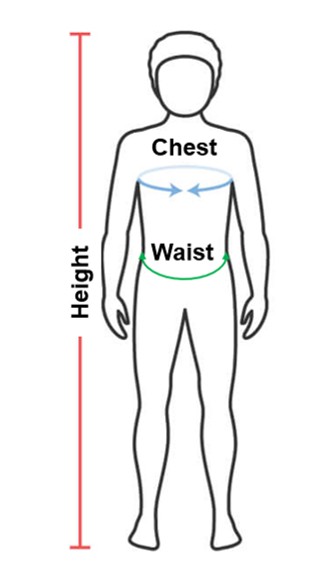
| Youth Unisex Sizes | XS | S | M | L | XL | |
|---|---|---|---|---|---|---|
| Age | 3 - 5 | 5 - 7 | 7 - 9 | 9 - 11 | 11 - 13 | |
| Height (inches) | 39 - 44 | 45 - 49 | 50 - 53 | 53 - 58 | 58 - 61 | |
| Weight (pounds) | 33 - 42 | 43 - 57 | 50 - 67 | 68 - 87 | 88 - 107 | |
| Chest (inches) | 22 - 24 | 24 - 25.5 | 25.5 - 27.5 | 27.5 - 30.5 | 30.5 - 32.5 | |
| Waist (inches) | 22 - 23 | 23 - 24.5 | 24.5 - 25.5 | 25.5 - 28 | 28 - 30.5 | |
| Kids Shirt Size Chart Maker : iSizeChart.com | ||||||
| Toddler Unisex Sizes | 2T | 3T | 4T | 5T |
|---|---|---|---|---|
| Height (inches) | 34 - 35 | 36 - 38 | 39 - 41 | 42 - 44 |
| Weight (pounds) | 25 - 28 | 29 - 32 | 33 - 36 | 36 - 40 |
| Chest (inches) | 20.5 | 21 | 22 | 23 |
| Waist (inches) | 21 | 21.5 | 22 | 23 |
| Kids Shirt Size Chart Maker : iSizeChart.com | ||||
When choosing shirts for kids, comfort, safety, durability, and ease of movement are key priorities. Here’s a detailed guide to help parents select the best shirts for kids based on age, activity level, and season:
Cotton (100% or blends): Soft, breathable, and hypoallergenic (ideal for sensitive skin).
Organic Cotton: Chemical-free, best for babies and eczema-prone kids.
Jersey Knit: Stretchy and comfortable for active kids.
Polyester Blends: Wrinkle-resistant and durable (good for school uniforms).
Avoid: Scratchy wool, stiff synthetics, or fabrics that trap heat.
For Babies (0–2 years): Opt for tagless, seamless shirts to prevent irritation.
Room to Grow: Slightly loose (but not oversized) to allow movement and growth.
Neckline: Wide or stretchy openings (avoid tight crew necks for babies).
Sleeves: Raglan sleeves (easier to put on) or adjustable cuffs for toddlers.
Length: Covers the waist but isn’t too long (to avoid tripping hazards).
For Active Kids: Choose athletic-fit shirts with moisture-wicking fabric.
No Drawstrings (for young kids): Can pose choking hazards (check safety standards like CPSC).
Snap Buttons (for infants): Easier than pullover styles for diaper changes.
Flame-Resistant Fabric (for pajamas): Required for kids’ sleepwear in many regions.
Non-Toxic Dyes: Look for OEKO-TEX® certified fabrics.
Summer: Light colors, short sleeves, and breathable linen/cotton.
Winter: Long sleeves, thermal fabrics, or layered henleys.
Rainy/Cool Weather: Quick-dry polyester or fleece-lined shirts.
Machine-Washable: Kids’ shirts should withstand frequent washing.
Stain-Resistant: Darker colors or patterns hide spills.
Reinforced Seams: Prevents tearing during play.
Tip: Buy multiple identical shirts if your child has a favorite (to avoid meltdowns!).
Fun Prints: Cartoons, animals, or bold colors to encourage self-dressing.
Reversible Shirts: Doubles wardrobe options.
UV Protection: Look for UPF 50+ for outdoor play.
For School: Follow dress codes (e.g., polo shirts or solid colors).
Babies (0–12 months): Side-snap or envelope-neck shirts for easy dressing.
Toddlers (1–3 years): Stretchy pullovers with simple designs.
Kids (4–12 years): Let them choose colors/patterns to foster independence.
关于儿童衬衫尺码指南图表
儿童衬衫尺码标准
儿童衬衫尺码通常以身高为主要参考,结合胸围和年龄。儿童生长发育快,尺码变化频繁。
尺码对照表
80cm = 适合2-3岁 = 胸围52cm = 袖长35cm
100cm = 适合4-5岁 = 胸围56cm = 袖长41cm
120cm = 适合6-7岁 = 胸围60cm = 袖长47cm
140cm = 适合8-9岁 = 胸围68cm = 袖长53cm
160cm = 适合10-12岁 = 胸围76cm = 袖长59cm
选择注意事项
建议预留5-10厘米的生长空间。选择柔软透气的面料,如纯棉、棉麻混纺。婴幼儿选择开襟款式,便于穿脱。