international size chart


Finding the right pants size involves understanding waist, hip, and inseam measurements. Pants sizing varies significantly between brands and styles, making a reliable size chart essential.
Key Pants Measurements
Waist: Measure around your natural waistline (for high-rise pants) or where you prefer your pants to sit (for low-rise). Keep one finger between the tape and your body for comfort.
Hips: Measure around the fullest part of your hips and buttocks. Important for women's pants and fitted styles.
Inseam: Measure from the crotch to the desired pant length along the inner leg. Standard inseams: Short (28-30"), Regular (32"), Long (34"), Extra Long (36").
Thigh: Measure around the fullest part of your thigh. Important for fitted pants and athletic builds.
International Pants Size Systems
US Men's: Uses waist/inseam in inches (e.g., 32x32). Waist sizes typically range from 28-44 inches.
US Women's: Uses numeric sizes (0, 2, 4... 16, 18) or waist/inseam for jeans. Numeric sizes vary significantly between brands due to vanity sizing.
EU: Uses waist circumference in cm divided by 2 minus 10 (e.g., EU 50 = waist 100cm). EU sizes are approximately US men's waist + 16.
UK: Similar to US but uses different numbering for women's sizes. UK women's sizes are approximately US size + 4.
Pants Fit Types
Skinny: Tight throughout the leg. Best for slim builds.
Straight: Consistent width from thigh to hem. Classic, versatile fit.
Relaxed: Extra room in the seat and thigh. Comfortable for larger builds.
Tapered: Wider at the thigh, narrowing toward the ankle. Modern, flattering fit.
Frequently Asked Questions
How do I measure my inseam accurately?
Measure a pair of pants that fit well. Lay them flat and measure from the crotch seam to the bottom of the leg. This is more accurate than measuring your body.
Why do jeans sizes vary so much between brands?
Jeans use vanity sizing - brands label pants with smaller numbers than the actual measurement to appeal to customers. Always check the brand's specific size chart.
Pants Size Chart
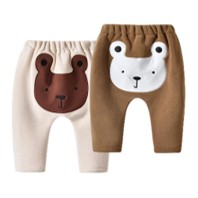
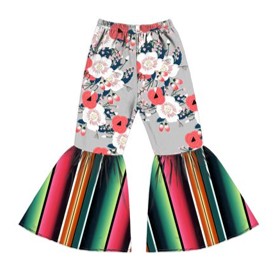
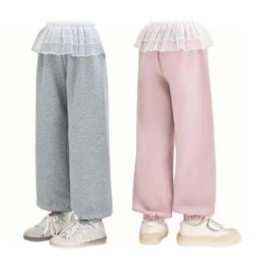
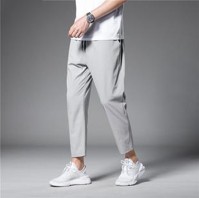
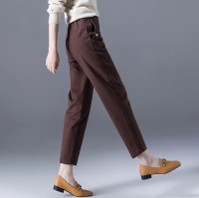
About Pants Size Guide Chart
How to choose pants of the right size according to one's body shape ?
Choosing the right pants size based on your body shape ensures comfort, a flattering fit, and confidence. Here’s a guide to help you pick the best pants for your proportions:
1. Identify Your Body Shape.
Pear (Triangle) – Wider hips/thighs, narrower waist.
Apple (Round) – Fuller midsection, slimmer legs.
Hourglass – Balanced bust/hips with a defined waist.
Rectangle (Straight) – Shoulders, waist, and hips are similar in width.
Inverted Triangle – Broad shoulders, narrower hips.
2. Key Measurements for the Right Fit.
Waist – Measure at the narrowest part (usually above the belly button).
Hips – Measure the fullest part of your hips/buttocks.
Inseam – Inner leg length (from crotch to ankle) for proper length.
Rise – Distance from waistband to crotch (high, mid, or low-rise).
Pro Tip: If your waist and hip measurements fall into different sizes, go with the larger size and tailor the waist if needed.
3. Best Pants Styles for Each Body Shape.
Fit: Look for slight stretch, A-line, or wide-leg pants to balance proportions.
Avoid: Skinny jeans that cling too tightly to the hips (unless paired with a long top).
Best Styles: Bootcut or flared jeans; High-waisted wide-leg pants; Straight-leg trousers.
B: Apple Shape (Fuller Midsection).
Fit: Mid-to-high rise with a slightly relaxed waistband (no squeezing).
Avoid: Low-rise pants that dig in or tight waistbands.
Best Styles: Paperbag waist pants; Tapered joggers; Straight-leg or slight flare.
C: Hourglass Shape (Curvy, Defined Waist).
Fit: High-waisted styles that cinch at the waist.
Avoid: Baggy or shapeless pants that hide curves.
Best Styles: High-waisted skinny jeans; Tailored trousers with darts; Wrap-style pants.
D: Rectangle Shape (Straight, Less Waist Definition).
Fit: Mid-rise or belted styles to create curves.
Avoid: Ultra-high-waisted pants that make the torso look boxy.
Best Styles: Boyfriend jeans; Pleated trousers; Cargo pants with detailing.
E: Inverted Triangle (Broad Shoulders, Narrow Hips).
Fit: Wider-leg or relaxed-fit pants to balance the upper body.
Avoid: Super-skinny pants that exaggerate top-heaviness.
Best Styles: Wide-leg culottes; Palazzo pants; Straight-leg jeans.
4. Additional Fit Tips.
For Long Legs: Full-length or wide-leg styles work well.
For Thicker Thighs: Choose dark colors, structured fabrics, and slight stretch.
For a Flat Butt: Look for pockets or ruching details to add volume.