尺寸图表
国际尺寸图表


A well-fitting jacket combines style, comfort, and functionality. Jacket sizing involves chest, shoulder, and sleeve measurements that vary between casual and formal styles.
Key Jacket Measurements
Chest: Measure around the fullest part of your chest, under the arms. This is the primary jacket size determinant.
Shoulder Width: Measure from the edge of one shoulder to the other across the back. Critical for jacket fit and comfort.
Sleeve Length: Measure from the shoulder seam to the wrist bone. Jacket sleeves should end at the wrist bone, showing 1/4 inch of shirt cuff.
Length: Measure from the base of the neck to the desired jacket length. Standard jackets end at the hip bone.
Jacket Types and Fit
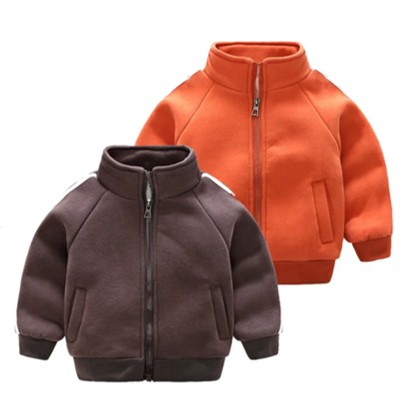
Bomber Jacket: Short length, elastic cuffs and hem. Casual style. Size based on chest measurement.
Leather Jacket: Should fit snugly when new - leather stretches with wear. Size based on chest measurement.
Winter Coat: Should allow room for layering. Consider sizing up if you plan to wear thick sweaters underneath.
Rain Jacket: Should allow room for layers but not be too loose. Look for adjustable cuffs and hem.
International Jacket Size Systems
US: Based on chest measurement in inches (38, 40, 42...). Letter sizes (S, M, L, XL) are also common for casual jackets.
EU: Based on chest measurement in cm divided by 2 (EU 50 = chest 100cm = US 40).
UK: Similar to US sizing for men's jackets. Women's jackets use different numbering systems.
Frequently Asked Questions
Should I size up for a winter jacket?
Yes, if you plan to layer thick sweaters underneath. For lightweight jackets that will be worn over a shirt, stick to your regular size.
How should a leather jacket fit?
A new leather jacket should feel snug but not restrictive. It will stretch 5-10% with wear. If it's comfortable when new, it will be too loose after breaking in.
Jacket Size Chart
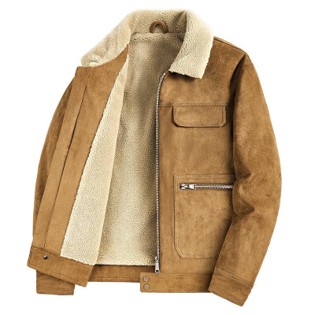
Men's Jackets: ① Straight or boxy fit – Designed for broader shoulders, narrower hips. ② Minimal waist shaping. ③ Longer torso and sleeves.
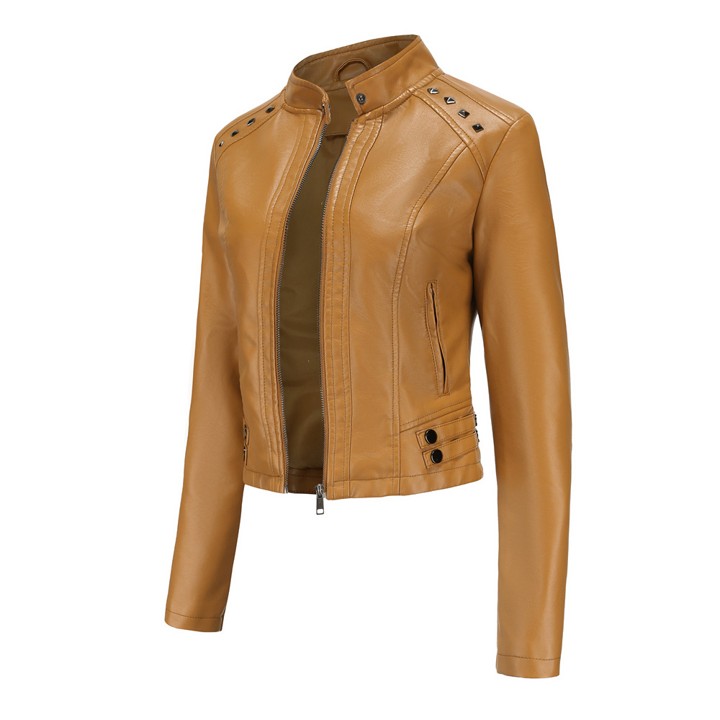
Women's Jackets: ① Tapered or cinched waist – Emphasizes curves. ② Shorter torso and sleeves (proportionate to height). ③ May have princess seams or darts for shaping.
Women's jackets often run smaller than men's even at similar measurements (e.g., a men's Small ≈ women's Medium). See jacket size chart for details.
About Buttons/Zippers. Men's Jackets: Left side fastens over right; Women's Jackets: Right side fastens over left (traditional).
About Pockets. Men's Jackets: Larger, functional (e.g., deeper); Women's Jackets: Often smaller, decorative, or angled for curves.
About Collars/Lapels. Men's Jackets: Wider, more structured; Women's Jackets: Narrower, softer, or stylized (e.g., ruffles).
About Colors/Patterns. Men's Jackets: Neutral tones (black, navy, gray); Women's Jackets: Wider variety (pastels, florals, metallics).
Men's Jackets: Prioritize utility (e.g., more pockets, heavier fabrics); Common styles: Workwear jackets, bomber jackets, trench coats.
Women's Jackets: Often emphasize fashion over function (e.g., faux pockets, lightweight materials); Common styles: Pea coats, cropped jackets, faux-fur coats.
Men's Jackets: Wider shoulder seams, longer sleeves (to accommodate arm length).
Women's Jackets: Narrower shoulders, shorter sleeves (adjusted for proportions).
Some brands offer unisex jackets (e.g., denim, parkas, puffers) with: Adjustable waists/cuffs, Neutral colors (black, olive, beige), Sizing closer to men's (women typically size down).
Women wearing men's jackets: Possible for oversized/streetwear looks (size down 1-2 sizes).
Men wearing women's jackets: Rarely works (too narrow in shoulders/chest).
关于夹克尺码指南图表
夹克尺码概述
夹克尺码通常由胸围、肩宽和袖长等参数组成。夹克胸围应比实际胸围大10-20厘米,以便内搭衣物。
尺码分类
S码 = 胸围92-96cm = 肩宽44cm
M码 = 胸围96-100cm = 肩宽46cm
L码 = 胸围100-104cm = 肩宽48cm
XL码 = 胸围104-108cm = 肩宽50cm
版型选择
修身版胸围余量10-12厘米,标准版余量15-18厘米,宽松版余量20厘米以上。