tabla de tallas internacional


Men's Jacket Size Guide: Suit Jackets, Blazers, and Outerwear
A well-fitting jacket is one of the most impactful pieces in a man's wardrobe. Whether you are shopping for a business suit, a casual blazer, or a winter coat, getting the right size ensures you look sharp and feel comfortable. This guide covers jacket sizing for every occasion.
Key Measurements for Men's Jackets
Chest: Measure around the fullest part of your chest under your arms. This is the primary measurement for jacket sizing. Jacket sizes are typically labeled with this chest measurement in inches.
Shoulders: Measure across your back from shoulder point to shoulder point. The shoulder seam of the jacket should align with your natural shoulder point.
Sleeve length: With arm slightly bent, measure from the shoulder point down to the wrist bone. Jacket sleeves should end at the wrist, showing about a quarter to half inch of shirt cuff.
Waist: Measure around your natural waist. For suit jackets, the jacket's waist suppression should create a slight V-shape without pulling.
Understanding Men's Jacket Size Labels
Men's jackets are labeled with a number and a fit indicator. The number represents the chest measurement: a size 40 jacket fits a 40-inch chest. The fit indicator is Short (S), Regular (R), or Long (L), which refers to the jacket's overall length and sleeve proportion. A size 40R fits a 40-inch chest with standard proportions, while 40S has a shorter body and sleeves, and 40L has a longer body and sleeves.
Jacket Fit Guide
Classic/Regular fit: Provides the most room through the chest and waist. Best for conservative dressers and those who prefer comfort over a tailored look.
Slim fit: Cut closer to the body with higher armholes and a narrower waist. Creates a modern, streamlined silhouette.
Modern fit: A middle ground between classic and slim, offering a tailored look without being too tight.
Men's Jacket Size Conversion
US/UK chest 34 = EU 44 = IT 44 | 36 = EU 46 = IT 46 | 38 = EU 48 = IT 48 | 40 = EU 50 = IT 50 | 42 = EU 52 = IT 52 | 44 = EU 54 = IT 54 | 46 = EU 56 = IT 56
Frequently Asked Questions About Men's Jacket Sizes
What is the average men's jacket size? The most common men's jacket size in the United States is 40 Regular.
How should a suit jacket fit? The shoulders should lie flat without divots. The jacket should button without pulling. There should be about a fist's width of space when the jacket is buttoned. Sleeves should show a quarter inch of shirt cuff.
Can a jacket be altered if it does not fit perfectly? Yes, a tailor can adjust sleeve length, waist suppression, and shoulder width to some extent. However, it is easier and less expensive to start with a jacket that fits well in the shoulders, as shoulder alterations are the most complex and costly.
Men's Jacket Size Chart
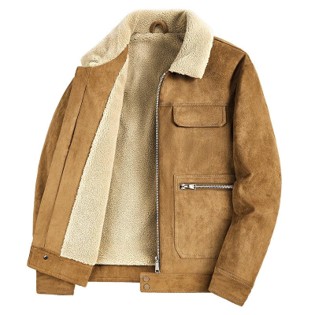
| US Jacket Size | US / UK Jacket Size | EU Jacket Size | Chest width (inch) | Body height (inch) |
|---|---|---|---|---|
| XXXS | 30 | 40 | 30 - 32 | 63 - 64 |
| XXS | 32 | 42 | 32 - 34 | 64 - 65 |
| XS | 34 | 44 | 34 - 36 | 65 - 66 |
| S | 36 | 46 | 36 - 38 | 66 - 67 |
| M | 38 | 48 | 38 - 40 | 67 - 68 |
| L | 40 | 50 | 40 - 42 | 68 - 69 |
| L | 42 | 52 | 42 - 44 | 69 - 70 |
| XL | 44 | 54 | 44 - 45 | 70 - 71 |
| XL | 44 | 56 | 44 - 45 | 71 - 72 |
| XXL | 45 | 58 | 45 - 46 | 72 - 73 |
| XXL | 46 | 60 | 46 - 47 | 73 - 74 |
| 3XL | 47 | 62 | 47 - 48 | 74 - 75 |
| 3XL | 48 | 64 | 48 - 49 | 75 - 76 |
| 4XL | 49 | 66 | 49 - 50 | 76 - 77 |
| 5XL | 50 | 68 | 50 - 51 | 77 - 78 |
| 5XL | 51 | 70 | 51 - 52 | 78 - 79 |
| 6XL | 52 | 72 | 52 - 53 | 79 - 80 |
| Men's Jacket Size Guide Chart Maker : iSizeChart.com | ||||
About Men's Jacket Size Guide Chart
How to choose men's jackets according to different social occasions ?
Choosing the right men’s jacket for different social occasions ensures you look stylish and appropriate.
1. Determine the Occasion. (Meetings, Weddings, Corporate Events)
Key Tips: Stick to tailored fits, neutral colors, and minimal patterns. Avoid denim, leather, or overly casual fabrics.
2. Smart Casual & Semi-Formal. (Dinner Dates, Cocktail Parties, Upscale Outings)
Key Tips: Pair with chinos, dark jeans, or tailored trousers. Experiment with textures (e.g., corduroy, suede).
3. Casual Everyday Wear. (Brunch, Shopping, Informal Gatherings)
Key Tips: Layering is key (e.g., hoodie under a denim jacket). Avoid overly distressed styles for smarter casual settings.
4. Outdoor & Adventure. (Hiking, Travel, Camping)
Key Tips: Prioritize functionality (pockets, breathability). Neutral colors (black, olive, navy) work for urban and outdoor settings.
5. Night Out & Streetwear. (Clubs, Concerts, Urban Style)
Key Tips: Play with bold colors, prints, and textures. Avoid overly formal styles like blazers unless styled creatively.
6. Winter & Seasonal Events. (Holiday Parties, Cold Weather)
Key Tips: Layer with sweaters or scarves for added warmth. Choose darker shades for versatility.